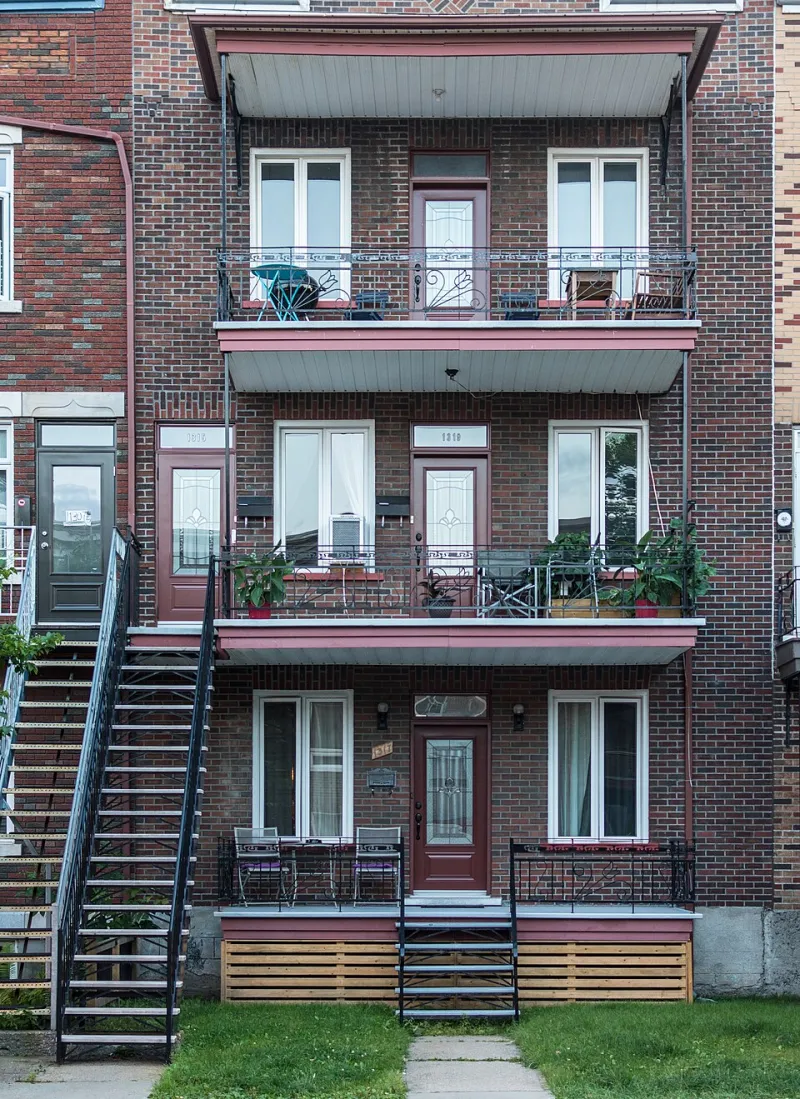
Before You Shake Hands: Nine Deal-Killers I Hunt for in Every Triplex Walkthrough
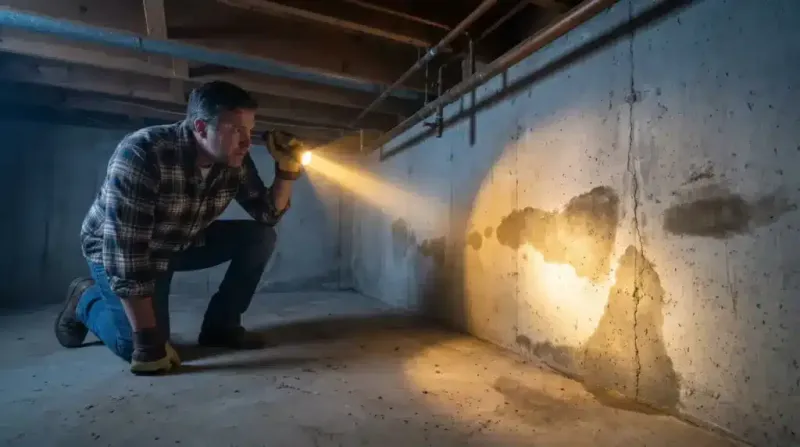
Photo: home inspector flashlight inspecting basement house interior, via cdn.opplehouse.com
I've made offers on enough small multi-family buildings to know that the deal is usually decided before the inspector ever shows up. The big-ticket systems — roof, foundation, wiring — matter, but what kills triplex deals most often is something subtler: a building that was quietly converted, patched, or improvised in ways the listing photos were designed to hide.
What follows is the checklist I carry on every first walkthrough. Bring it to yours.
1. The Utility Separation Story
Ask the seller, out loud, how the units are metered. Then verify. I've walked buildings where the 'separate electric meters' turned out to be subpanels off one master meter — meaning you, the owner, are negotiating with three tenants over a shared bill every month. Genuine separate gas and electric service per unit is not a nice-to-have; it's the difference between a business and a roommate situation.
2. The Inherited Third Unit
That charming garden-level apartment might be a legal triplex — or a duplex with a basement conversion nobody ever permitted. Pull the certificate of occupancy and compare unit count before you fall in love with the pro forma. An illegal unit can mean fines, forced demolition, and a lender who suddenly revalues the building as something smaller than you bought.
3. Roof Deferred Into 'Character'
Sellers will tell you the third-floor ceiling stain is old. Sometimes it is. Press a thumb gently into any water-stained drywall near the cornice — soft spots tell you the leak is active. On a triplex, roof replacement is your single largest capital expense, and it's the one most often disguised as charm.
4. One Boiler, Three Tenants
Shared heating systems in a multi-unit building create shared arguments. If all three units draw from one boiler, you own the maintenance, the bills, and the 2 a.m. phone calls. Individual furnaces or mini-splits per unit are worth paying up for.
5. The Egress Problem
Every bedroom needs a code-compliant way out in a fire. Basement units are the usual offenders. If a sleeping room has a window too small or too high to escape through, you're not looking at a rental — you're looking at a liability with rent.
6. Panel Capacity From Another Era
Open the electrical panel. If you see a hundred-amp service feeding a unit with a dryer, a dishwasher, and (coming soon) an EV charger, price the service upgrade into your offer before the seller prices it into theirs.
7. The Parking Gray Zone
In many US markets, triplexes built before modern zoning are grandfathered on parking. Ask whether the spaces are deeded, leased, or merely traditional. A building whose 'two off-street spots' actually sit on a neighbor's lot is a building with a future dispute.
8. Tenant History You Can't Verify
Ask for a rent roll with payment history, then ask to see leases. Verbal arrangements, month-to-month tenants paying well below market, and 'my nephew handles that' are all signals that your first ninety days of ownership will be spent untangling someone else's informality.
9. The Seller Who Won't Let You In
The simplest red flag is access. If one unit can't be shown, or the walkthrough is rushed through a single apartment, assume the worst and price accordingly — or walk. Full access on a first visit is the baseline, not a favor.
A Framework, Not a Guarantee
None of these nine items replaces a professional inspection; they're designed to happen before you spend money on one. Walk the building with this list, take photos of every panel, every water heater, every window in every sleeping room, and ask the seller to explain anything unusual in writing.
The best house-hackers I know lose very few deals to inspection surprises, because they do the inspector's first pass themselves — for free — on a Saturday afternoon. Three doors is a great way to build wealth. Just make sure you're buying three legal, separately metered, dry, and safely egressed doors.