Month Thirteen: The Second Year of House Hacking, Told Without the Rose-Colored Rent Roll
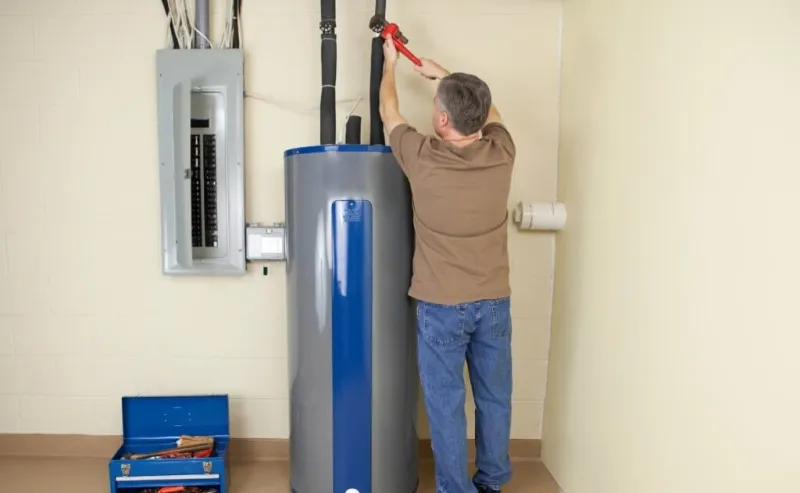
Photo: landlord repairing water heater in apartment basement, via warelandscaping.com
Every house hacker remembers the closing-day photo: keys in one hand, paint roller in the other, standing in front of a triplex that would supposedly pay them to live there. What nobody posts is the photo from month thirteen — the one where the water heater is leaking, Unit C has just given notice, and the novelty of being both neighbor and landlord has thoroughly worn off.
This is the second year of owner-occupied triplex investing, and it deserves an honest accounting.
The Glow Fades on a Schedule
The first twelve months of house hacking are buoyed by novelty. You meet your tenants, you learn the building, you marvel at the fact that two rent checks cover most of your mortgage. The math is intoxicating in year one because everything is new — the appliances, the leases, the routine of walking the property line each evening.
Month thirteen arrives quietly. The paint you chose no longer feels like a design decision; it's just a wall. The rent checks feel routine rather than remarkable. And the building, having survived its first year under new ownership, begins presenting the deferred maintenance and small failures that every property carries.
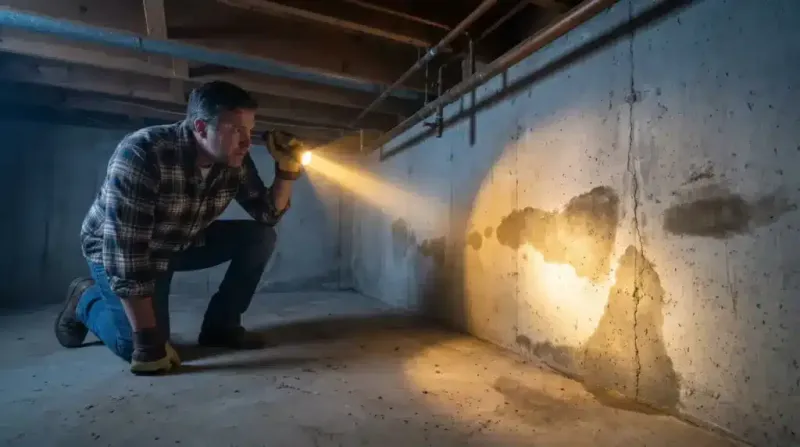
In my case, it arrived as a Sunday-night text: water pooling in the basement of Unit A. The water heater was eleven years old and had decided its tenure was over. Six hundred dollars for a replacement, plus the awkwardness of arranging access to a unit where your tenant is also your neighbor.
The Cash Flow Reality of Year Two
Here is the uncomfortable truth about the second year: your effective cash flow is almost always worse than your pro forma, and the gap shows up in months thirteen through twenty-four.
The first year tends to be artificially clean. Capital reserves are freshly funded, the previous owner may have made concessions, and the big systems — roof, HVAC, water heater — often limp along just long enough to hand the problem to the new buyer. Year two is when the building settles its accounts.
The numbers from my own file:
- Month 14: Water heater replacement, $680
- Month 16: Unit C gives sixty days' notice, one month of vacancy plus turnover costs, roughly $2,100
- Month 19: Tree root intrusion into the sewer line, $1,400 after insurance declined the claim
- Month 21: Repaint of Unit C common areas, $450 in materials and a lost weekend
None of these are catastrophic. Together, they erased about seven months of net cash flow. The triplex still outperformed any single-family rental I could have bought — that's the point of the three-door model — but the second year taught me that the pro forma's "maintenance reserve: $100 per unit per month" line was written by someone who had never owned a building.
The Tenant You Didn't Expect to Lose
Every house hacker mentally prepares for the difficult tenant. Nobody prepares for the good one leaving.
My tenant in Unit C was ideal: paid early, reported issues promptly, tolerated my learning curve as a first-time landlord. In month sixteen, she gave notice — a job relocation, nothing anyone could have prevented. What followed was a crash course in the parts of landlording year one never teaches: showing an occupied-then-vacant unit while still living on-site, screening strangers who will live thirty feet from your kitchen, and re-listing in a market that had cooled since your original lease was signed.
The vacancy lasted twenty-six days. It cost me a full month of rent, a refresh budget, and a fair amount of sleep. The lesson was not that turnover is avoidable — it isn't — but that the systems for handling it should exist before you need them.
The Systems I Wish I'd Built in Year One
If the honeymoon year is about enthusiasm, the second year is about infrastructure. These are the four systems I now consider non-negotiable, all of which I improvised badly when tested:
1. A vendor list built in peacetime. The Sunday-night water heater text sent me scrambling through online reviews at 10 p.m. I now keep a plumber, electrician, HVAC tech, and general handyman on file — vetted, saved, and priced — before anything breaks.
2. A written turnover playbook. Unit C's departure taught me to standardize everything: the make-ready checklist, the showing script, the screening criteria, the lease renewal timeline that starts ninety days before expiration. Turnover is a project; treat it like one.
3. A reserve fund with rules. My original reserve was a number, not a policy. Now it's a dedicated account with a floor of three months' total expenses, replenished within sixty days of any draw. The reserve exists to be spent — but only on the building.
4. Emotional distance from the tenants. Living alongside your renters blurs a line that needs to stay visible. Friendly, responsive, and consistent is the target. The second year taught me that being liked and being respected as a landlord are different objectives, and only one of them protects your investment.
What Month Thirteen Actually Feels Like
It feels less like a crisis and more like a graduation. The second year strips away the novelty and leaves the underlying asset — and the underlying asset is sound. Two doors' worth of rent still covers the majority of my housing cost. The equity continues to build through paydown and appreciation. The building survived its shakedown cruise, and so did I.
House hacking a triplex is often marketed as a life hack, a way to live for free. The more accurate pitch is this: it's a business apprenticeship where you happen to sleep on-site. Year one teaches you the excitement. Year two teaches you the trade.
If you're closing on your first triplex this season, build the vendor list, fund the reserve, and write the turnover plan now — while the paint is still fresh and the honeymoon is still on. Month thirteen is coming either way. It's far better to meet it prepared.