Sixty Days Dark: Stress-Testing the Empty Unit Before It Happens
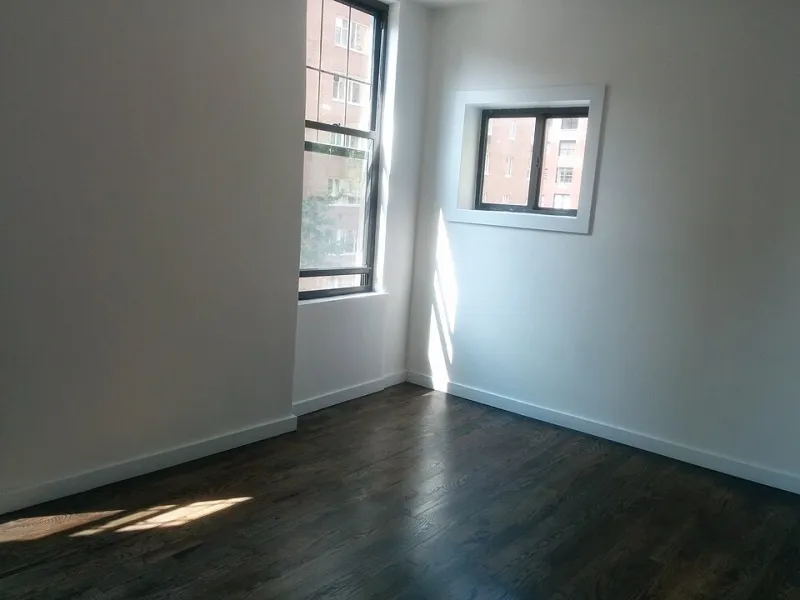
Photo: aismallard, CC BY-SA 3.0, via Wikimedia Commons
Every triplex investor eventually meets the same unwelcome math problem: a unit sits empty, and the spreadsheet that once looked comfortable starts to sweat. Single-family landlords lose one rent stream when a tenant leaves. Triplex owners lose one of three — and because expenses barely budge when a unit goes dark, the damage lands squarely on net operating income.
This article walks through a worst-case vacancy scenario unit by unit, then offers a practical playbook for making sure the empty-unit problem never reaches your ledger in the first place.
Why Vacancy Hits Triplexes Harder
Consider a modest three-unit building in a Midwestern market — think Dayton, Kansas City, or a secondary neighborhood in San Antonio. Rents run $1,100, $1,150, and $1,250, for gross scheduled income of about $3,500 per month, or $42,000 annually. Operating expenses — taxes, insurance, water, maintenance, management — consume roughly 40%, leaving a net operating income near $25,000.
Now let one unit sit vacant for sixty days. You lose roughly $2,300 in rent, but almost none of your expenses pause. Property taxes arrive on schedule. The insurance premium doesn't shrink. The water bill barely moves. Your NOI for the year drops from $25,000 to about $22,700 — a 9% haircut from just two lost months on one door.
The Cascade: Reserves, Ratios, and Refinancing
The direct rent loss is only the first ripple. Vacancy cascades through three channels that many first-time multi-family buyers underestimate.
Reserve depletion. Most lenders and seasoned operators recommend holding six months of expenses in reserve — call it $8,000 to $10,000 on our example property. A prolonged vacancy, paired with an unexpected furnace failure or a turn cost for new flooring, can consume half the cushion in a single quarter. Rebuild it and you're effectively reinvesting capital you thought you had already deployed.
Lender ratios. If you financed with an investor loan, your DSCR — debt service coverage ratio — was likely underwritten at 1.20x or better. Drop NOI by $2,300 and your coverage may slip toward 1.10x. You won't default on one soft quarter, but if you're planning a cash-out refinance or a portfolio expansion loan next spring, that thin quarter sits on your trailing statements. Underwriters read trailing twelve months, not your best intentions.
Valuation. Multi-family appraisals lean on income, not comps. A building showing $40,000 in collected rent appraises lower than one showing $42,000. An empty unit at the wrong moment can shave thousands off your appraised value precisely when you're trying to pull equity out.
Modeling the Worst Case
Before you close, run this exercise: assume each unit turns over once per year with a 45-day gap between tenants, staggered so the gaps never overlap. That's roughly 3.7% annual vacancy per unit, or about 11% building-wide — $4,600 in lost scheduled rent on our example. If the deal still cash flows after that stress test, you own a resilient asset. If it doesn't, the price needs to come down, the rents need to come up, or you need to walk.
Compare that to a single-family rental, where one turnover means 100% vacancy. The triplex's built-in diversification is real — but only if you underwrite each door independently.
The Prevention Playbook
Vacancy risk is mostly a calendar problem, and calendars can be managed.
Start the renewal conversation 90 days out. Reach out 90 days before lease expiration with a modest, pre-announced increase — 3% to 5% in most stable markets. Tenants who hear about a change early rarely shop alternatives; tenants blindsided at renewal frequently do.
Pre-lease against the clock. In most US markets, demand peaks between May and August. If a lease expires in November, consider offering a 14- or 18-month term so the next expiration lands in summer. You trade a small complication for a much larger probability of a fast, full-price turn.
Price the turn, then price the incentive. A typical turn — paint, cleaning, minor repairs, two weeks dark — costs $1,500 to $2,500. Offering a current tenant a $500 renewal credit or a new in-unit amenity is almost always cheaper than a turn. Retention incentives aren't generosity; they're arbitrage.
Keep a standing applicant file. Even with nothing vacant, run listings periodically or maintain a waitlist. The landlord who can fill a unit in five days beats the landlord who fills it in thirty, and the difference compounds every year.
Audit the unit itself. Slow listings are often product problems. Outdated fixtures, awkward floor plans, and deferred maintenance extend days-on-market far more than price does in most rental markets.
The Quiet Discipline
The best triplex operators treat vacancy not as an emergency but as a metric they manage monthly: renewal lead time, days-on-market, turn cost, retention rate. None of these numbers is glamorous. Together, they are the difference between a building that quietly compounds wealth and one that quietly drains it.
Run the stress test before you buy. Build the calendar before you need it. The empty unit you prevent is the cheapest one you'll ever own.