The Quiet Rules Above the Ceiling: A Triplex Operating Agreement With Argentine Roots
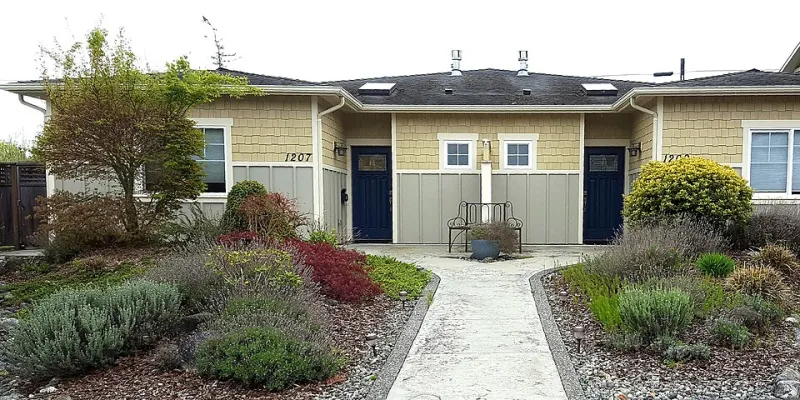
Photo: Sightline Institute: Missing Middle Homes Photo Library, CC BY 2.0, via Wikimedia Commons
A triplex looks simple from the curb: three doors, one roof, a shared driveway, perhaps a porch or a utility trench running along the side yard. The simplicity is deceptive. Once two or three owners depend on the same building systems, the real asset is not only the real estate. It is the set of unwritten assumptions about who pays for what, who decides when a repair becomes urgent, and what happens when one owner wants to sell while the others want to replace the boiler.
In Argentina, that set of assumptions is rarely left unwritten. The country’s propiedad horizontal regime—its legal framework for horizontally divided buildings—treats shared ownership as a governance problem as much as a physical one. The details vary by building and jurisdiction, but the underlying discipline is consistent: common expenses are formalized, reserves are routine, maintenance is scheduled, and decision rules exist before anyone needs them. US triplex owners do not need to import a foreign legal code. They do need to borrow the habit.
Why Unwritten Assumptions Cost More Than Repairs
A failed water heater is a predictable expense. A dispute over who should have replaced it is an avoidable one. The most expensive triplex conflicts tend to arise from ambiguities that seemed harmless at closing: the driveway that everyone uses but only one owner maintains, the porch that was repainted by one unit but improves the whole building, the sewer line that serves all three doors but crosses only one owner’s yard.
These are not signs of bad mathematics. They are signs of missing governance. In a single-family house, the owner absorbs ambiguity. In a triplex, ambiguity becomes a negotiation every time a shared system fails. Argentine condo practice addresses that by turning shared obligations into a written schedule rather than a recurring conversation.
What Propiedad Horizontal Actually Formalizes
At its core, the Argentine framework separates private units from common elements and then attaches rules to the common elements. Owners contribute to shared expenses according to an agreed allocation. The building maintains a reserve for future repairs. A maintenance calendar gives predictable work a place on the agenda. Decision rules distinguish between routine administration and major capital changes.
For a US triplex, the translation is not a full condominium declaration. It is a lightweight operating agreement—a shared-wall charter—that sits alongside the deed and loan documents. It should be short enough to read in one sitting and specific enough to resolve the ordinary disputes that arise in a three-unit building.
Four Schedules Every Triplex Needs
A practical charter begins with four schedules.
First, a shared-elements inventory. List the roof, foundation, exterior walls, driveway, walkways, porches, fences, gutters, utility lines, and any shared basement or attic space. Be concrete. A phrase like common areas invites argument; a line item for the rear porch steps does not.
Second, an expense-allocation schedule. Decide whether shared costs are split equally, by unit square footage, by assessed value, or by a hybrid formula. Equal splits are simple but can be unfair when one unit is substantially larger or when a shared line primarily serves one door. The formula matters less than its consistency and its presence in writing.
Third, a maintenance calendar. Separate seasonal work from emergency work. Gutters, roof inspections, driveway sealing, and exterior painting can be scheduled. A burst pipe cannot. The calendar should identify who coordinates each task and how owners approve spending above a stated threshold.
Fourth, a reserve schedule. A triplex reserve does not need to mimic a large condominium’s. It needs to be habitual. A modest monthly contribution, reviewed annually, prevents a shared roof from becoming a sudden three-way negotiation at the worst possible time.
A Lightweight Charter for a Three-Door Building
The charter should also address decision rights. Routine repairs below a set dollar amount can be handled by a designated managing owner. Larger capital work should require majority or unanimous approval, depending on the item. Emergency work should have a clear escalation path so that no owner is forced to choose between waiting for consensus and preventing further damage.
Utility lines deserve their own paragraph. If one meter serves common lighting or a shared laundry area, the charter should state how that cost is allocated. If a water or sewer line serves multiple units, the charter should identify responsibility for routine maintenance and major replacement. These details are easy to defer at acquisition and expensive to reconstruct after a failure.
Insurance is another shared assumption that belongs in writing. Owners should confirm that the master policy and individual policies do not leave a gap between shared structures and unit interiors. The charter can require each owner to maintain liability coverage and to notify the others of material changes.
The Reserve Fund Is a Habit, Not a Line Item
Argentine building practice treats reserves as ordinary administration, not as a sign of distrust. That framing is useful for US triplex owners. A reserve fund is not evidence that the building is failing. It is evidence that the owners understand shared systems have a life cycle.
A simple approach is to set a monthly contribution per unit, hold the funds in a dedicated account, and review the target annually against a short capital plan. The plan can be one page: roof age, driveway condition, exterior paint cycle, water heater age, and any known utility concerns. The point is not precision. The point is to make future spending visible while it is still theoretical.
When One Owner Wants Out
The charter should also anticipate transitions. If one owner sells, the remaining owners need to know how reserves are credited, how shared obligations are disclosed to a buyer, and how decision rights transfer. A right of first refusal is optional, but a clear disclosure packet is not. The packet should include the charter, the current reserve balance, the maintenance calendar, and any approved capital projects.
This is where many US triplex arrangements quietly fail. The building works while the original owners remain. It becomes fragile when a new owner arrives with different assumptions. A written charter gives the incoming buyer a factual baseline rather than a verbal history.
Start Before the First Dispute
The lesson from Argentina’s propiedad horizontal culture is not that every triplex needs a formal condominium regime. It is that shared walls and shared bills deserve shared rules. A US triplex operating agreement can be modest: an inventory, an allocation formula, a calendar, a reserve habit, and a decision path. Drafted before the first roof leak, it does more than prevent arguments. It makes the building easier to insure, easier to finance, and easier to sell.
The quiet rules above the ceiling are usually the ones that decide whether a triplex remains a sound investment or becomes a recurring negotiation. Writing them down is not bureaucracy. It is part of underwriting the building’s future.