Climbing to the Top Floor: The Hidden Economics of Upper Units in Triplex Buildings

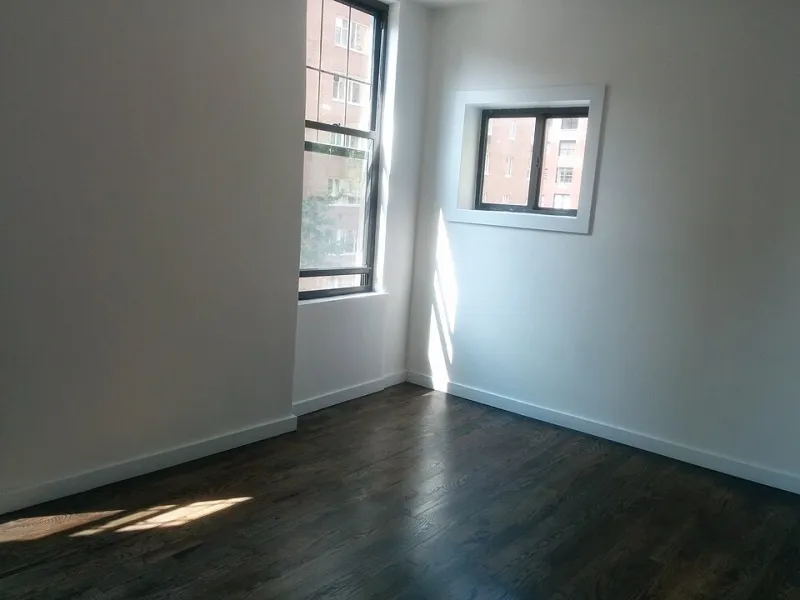
Photo: Spencer Means from New York City, USA, CC BY-SA 2.0, via Wikimedia Commons
Walk almost any triplex in the United States — a triple-decker in Boston, a converted walk-up in Chicago, a mid-century stack in Denver — and you will notice the same pattern in the rent roll. The upper unit rents for more. Sometimes 5% more, sometimes 15%. Investors see that spread and assume the top floor is automatically the best seat in the house.
The truth is more complicated. The upper unit is a trade: you collect a premium in exchange for absorbing costs and risks that rarely appear on the listing sheet. Understanding when that trade works — and when it quietly erodes your return — is one of the most underrated skills in small multi-family underwriting.
Why the Premium Exists
Top-floor units earn their premium honestly. Tenants pay more for the things upper units deliver: natural light from extra exposures, less street noise, no footsteps overhead, and in many older American buildings, better views. In markets from Minneapolis to Portland, renters consistently rank these attributes above finished quality or even square footage.
The premium is real, but it is not free. Your job as an underwriter is to determine what it costs you to earn it.
The Three Costs Hiding in the Rent Spread
Turnover. Upper units churn faster. Stairs are the reason. A tenant carrying groceries to a third-floor walk-up will tolerate it for a lease or two; a tenant with a stroller, a bad knee, or a moving truck will not. In our analysis of small multi-family performance, upper units in non-elevator buildings turn over roughly 20 to 30% more frequently than ground-floor units. Every turn costs you a month of vacancy, make-ready expenses, and leasing effort.
Heat loss. Physics does not negotiate. Heat rises, which means your top unit benefits from the units below — but it also loses heat through the largest roof surface in the building. If the roof insulation is marginal (and in most pre-1980 triplexes, it is), the upper tenant runs the heat longer and your utility bills, if owner-paid, run higher. Even in a separately metered building, an uncomfortable upper unit becomes a comfort complaint, then a retention problem.
Maintenance access and roof exposure. The top unit lives directly beneath your largest capital expense. Roof leaks announce themselves in the upper unit first, and every roof replacement means entering or disrupting that tenancy. Add the pure logistics of maintenance: a water heater replacement on the third floor takes longer, costs more, and requires more coordination than the same job in a basement.
When the Premium Pays
The top floor works in specific conditions. Look for these signals before you pay up for the rent spread:
- The premium exceeds 8%. Below that threshold, the turnover and maintenance friction often consume the spread. Above it, the math starts working in your favor.
- The building has quality stair access. Wide, well-lit, code-compliant stairs with a landing at each turn dramatically reduce turnover. A narrow spiral staircase in a Boston triple-decker is a churn machine.
- The roof is young or recently documented. A roof with 15+ years of life remaining means the upper tenant's rent is not quietly subsidizing a capital bill you have not priced in.
- The tenant profile fits. Young professionals, couples without children, and remote workers tolerate vertical living well. Families and older tenants do not. Match your marketing to the unit's natural audience.
When It Doesn't
Walk away from the premium — or at least discount it in your model — when the top unit is the largest unit in the building. This is the classic trap: the three-bedroom occupies the third floor, the two-bedrooms sit below, and your best family tenants churn out of the building every 18 months. In that configuration, consider whether a long-term strategy of converting the basement or repositioning the unit mix makes more sense than chasing a premium that never sticks.
Also discount the premium in extreme climates. A third-floor unit in Phoenix or Las Vegas bakes all summer; cooling costs and comfort complaints can erase the rent spread entirely. Cold-climate markets punish heat loss; hot-climate markets punish solar gain. The premium is most reliable in temperate markets — coastal California, the Pacific Northwest, the mid-Atlantic.
Pricing It Correctly
When you model a triplex, do not simply plug in the asking rents. Build the upper unit's pro forma with three adjustments:
- Add 25 basis points to the vacancy assumption for the upper unit versus the lower units. If you underwrite 5% vacancy building-wide, use 6% or 7% upstairs.
- Add a turnover line item. One additional turn every two to three years, at $1,500 to $2,500 per turn in most US markets, is not noise — it is a line on the T-12 you should have forecast.
- Verify the thermal envelope. Ask for utility history, inspect the attic if accessible, and price an insulation upgrade into your capital plan if the roof cavity is uninsulated.
If the premium survives those three adjustments, the top floor is an asset. If it does not, you have learned something the seller's broker did not put in the offering memorandum.
The Bottom Line
Triplex investing rewards people who read buildings as systems rather than as rent rolls. The upper unit is not simply a higher-rent box; it is a position with its own cost structure, its own tenant profile, and its own maintenance timeline. Price it like the distinct asset it is, and the third floor becomes exactly what it promises — the best view in the building and the best return in the stack.