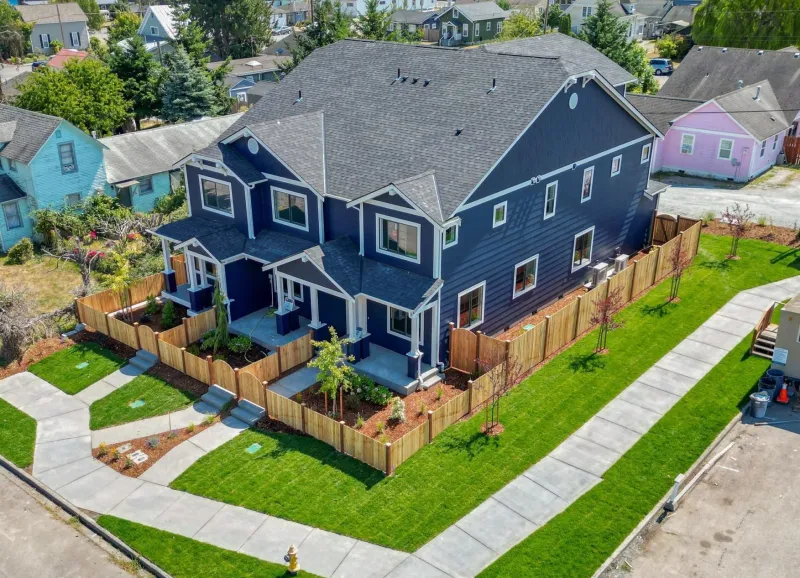
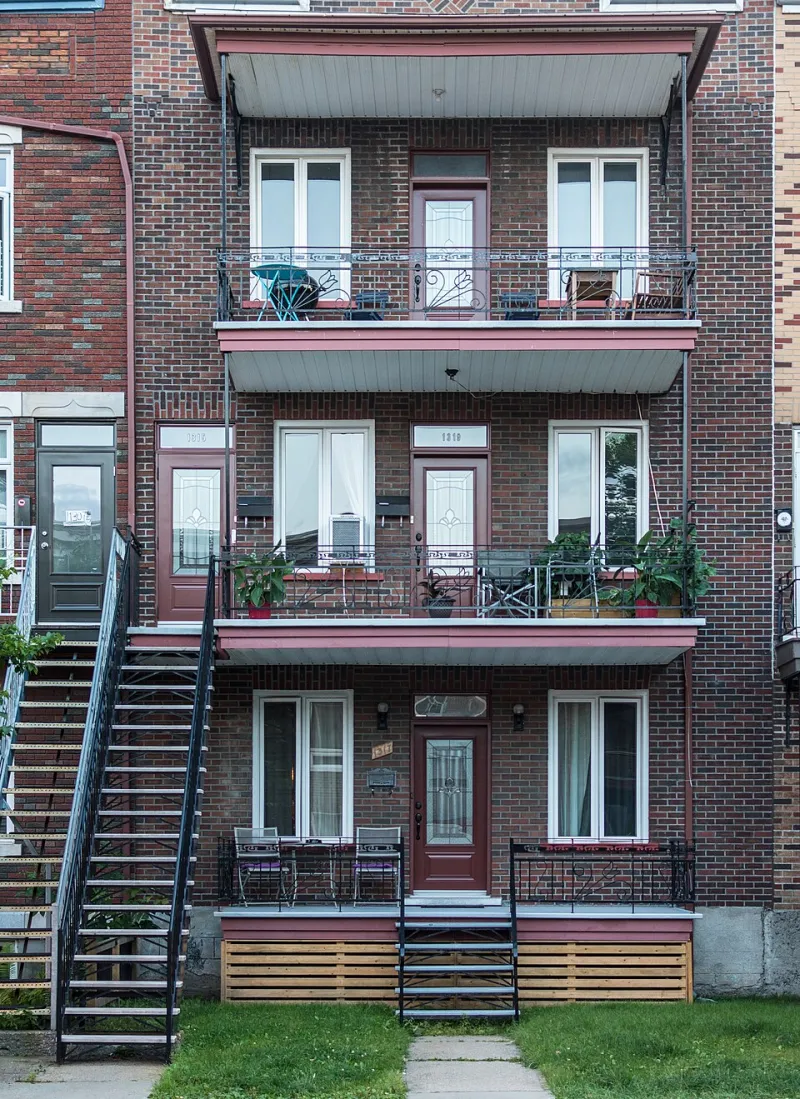
Gentle Density, Imported: Why Argentine Neighborhoods Never Banned the Triplex
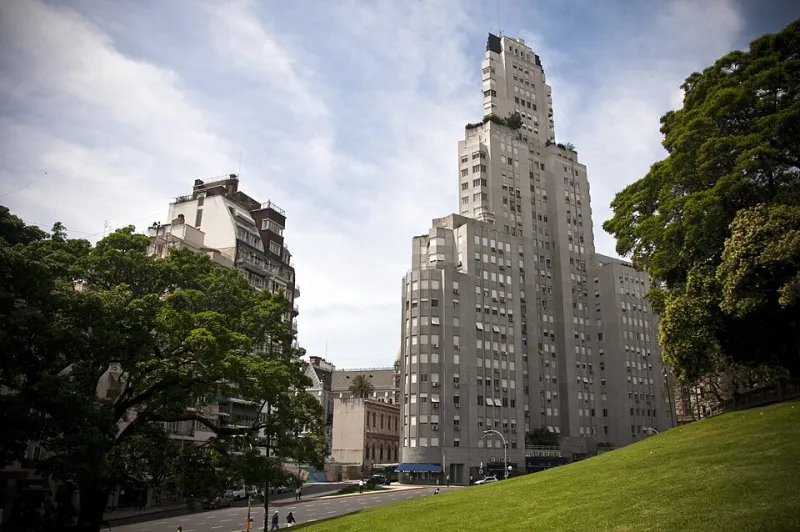
Photo: Marcos Prack, CC BY 2.0, via Wikimedia Commons
Walk through a middle-class neighborhood in Buenos Aires — Almagro, Caballito, Villa Urquiza — and you will notice something American zoning maps have made nearly impossible: three-story walk-ups sitting quietly beside single-family homes, corner stores tucked into ground floors, and small apartment buildings occupying lots no wider than a suburban driveway. Nobody calls it a policy triumph. It is simply how the city grew.
For US investors, this is more than an architectural curiosity. It is a working model of the exact product this site champions — the triplex — deployed at a scale and acceptance level that most American municipalities still prohibit.
The Missing Middle Was Never Missing in Argentina
Planners in the United States have borrowed the term "missing middle" from architect Daniel Parolek to describe duplexes, triplexes, and small courtyard buildings. In Argentina, that segment of housing was never missing. It was the backbone.
Buenos Aires' zoning framework, built around the concept of factor de ocupación del suelo (land use factor), ties permitted building volume to lot size rather than to rigid single-use categories. The result: a modest 8-meter lot can legally hold a three-unit building with retail below, as long as it respects height and open-space rules. Compare that to the typical US single-family-only district, where the same lot would be locked into one detached house regardless of demand.
The consequences compound over decades. Argentine middle-income households could rent or buy small units in walkable districts without displacing the character of residential streets. Owners routinely built one unit to live in and two to rent — a financing strategy American readers will recognize as house hacking, practiced there for generations without a catchy name.
What the Planners Say
The comparison is not a call to copy Argentine code wholesale. US planning consultants note that Buenos Aires also produced problems: uneven infrastructure investment, informal additions that strained utilities, and neighborhood battles over height that mirror American ones.
"The lesson isn't that Argentina got everything right," one land-use attorney who works with both markets told us. "It's that legalizing small multi-family buildings by right removes a huge amount of friction. Investors there didn't need variances or community hearings to add two units above a store. They just built."
That friction matters. In many US cities, a triplex conversion triggers discretionary review, parking minimums, and opposition from neighbors who fear — incorrectly, most traffic studies suggest — declining property values. Minneapolis' 2019 decision to permit triplexes citywide, followed by Oregon's statewide HB 2001, showed the reform is politically possible. What Argentina shows is what those reforms unlock over time: a steady, boring, reliable supply of small rental buildings financed by owner-occupants.
Three Takeaways for Investor-Advocates
1. Frame triplexes as ownership tools, not rental density. Argentine triplexes succeeded because they multiplied owners, not just tenants. When advocating at a planning commission, lead with the house-hacking story — a first-time buyer qualifying for an FHA loan on a three-unit building — rather than abstract density arguments.
2. Push for form standards over use bans. The Argentine model regulates height, setbacks, and lot coverage, not who may live in the building. Replacing use-based zoning with form-based standards is the single most effective reform an investor-advocate can support locally.
3. Celebrate the existing stock. Every American city already has legacy triplexes from the 1910s–1940s that predate restrictive zoning. Documenting them — rent levels, maintenance, neighborhood fit — gives reformers a local evidence base that counters the "character" objection far better than international comparisons alone.
The Bottom Line
Argentina's triplex tradition did not emerge from progressive planning doctrine. It emerged from ordinary market behavior under permissive rules: families building small, building close, and renting the rest. The United States does not need to import Argentine architecture. It needs to re-legalize the building type that made Buenos Aires' middle neighborhoods work — one door at a time.