The Lobby Ledger: A Doorman-Inspired Operating Calendar for Your Triplex
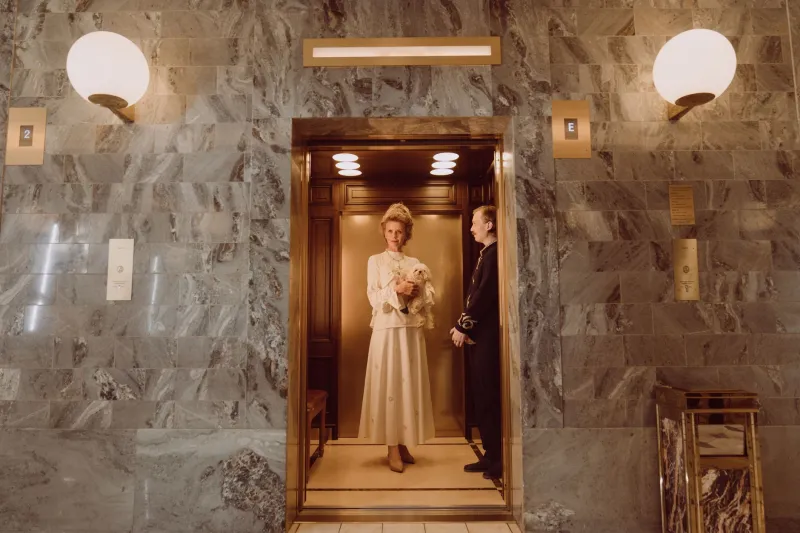
In Buenos Aires, the portero is often described as the person who knows the building. That description undersells the role. A good portero notices the damp patch before it becomes a ceiling claim, recognizes when a vendor has skipped a step, and understands which hallway light burns out every few months. The value is not in heroics. It is in accumulated attention.
An American triplex does not come with a lobby, a front desk, or a staffed entrance. It does come with the same need for institutional memory. For owner-investors, the portero offers a useful model: a small, repeatable operating rhythm that catches small defects before they become expensive ones and preserves both rent roll and resale value.
Why Small Buildings Need a Memory
Property managers operate by ticket. A tenant calls, a work order is created, a vendor is dispatched, and the file closes. That system has its place, but it can miss the pattern behind the ticket. The same unit reports a slow drain every spring. The same stair tread loosens after every winter. The same exterior light fails because the fixture collects water.
A triplex owner who visits the property monthly can see those patterns. The goal is not to become a full-time superintendent. It is to create a short, documented review that turns scattered observations into a maintenance record. That record supports budgeting, vendor accountability, and eventually a stronger sale package.
The Monthly Walk: Common Areas as Leading Indicators
Set aside thirty to forty-five minutes each month for a deliberate walk of the exterior and shared spaces. Carry a phone for photos and a simple log for notes. The route should be consistent so that changes stand out.
Check entries, stairs, handrails, hallway lighting, mailboxes, trash areas, parking surfaces, shared laundry rooms, and any common yard or patio. Look for water staining, loose fasteners, cracked pavement, damaged screens, pest activity, and burned-out fixtures. In snowbelt markets, add seasonal checks for ice dams, salt damage, and blocked drainage. In warmer climates, watch for irrigation leaks, HVAC condensate stains, and sun damage to shared surfaces.
The written note matters as much as the walk. Record the date, the location, the observation, and whether it needs immediate repair, a vendor quote, or simple monitoring. A photograph taken from the same angle each month can reveal a trend that a one-time inspection would miss.
The Vendor Visit: Supervising Work Like a Portero
A portero does not simply call a tradesperson and hope. The role includes presence: opening the door, explaining the building, checking the scope, and confirming that the work was completed and cleaned up. Triplex owners can borrow that posture without becoming intrusive.
For any non-emergency repair, confirm the scope in writing before work begins. Ask for before-and-after photos. Be present at the start or end of significant visits when possible, or arrange for a tenant to confirm completion. Keep a vendor log with the date, the issue, the person or company, the amount paid, and any warranty. Do not release final payment until the punch list is complete and the work area is clean.
The portero standard is not suspicion. It is continuity. A vendor who knows the owner reviews the work is more likely to document changes, flag related issues, and return calls promptly.
Tenant Communication Without Noise
Small buildings run on relationships, but informal communication can become chaotic. Choose one primary channel for non-emergency requests and state it in the lease. Provide a simple way for tenants to report an issue with a photo and a description. Acknowledge receipt within one business day, even if the repair is scheduled later, and close the loop when the work is done.
Use common-area notices for shared disruptions: water shutoffs, parking-lot work, exterior painting, or seasonal maintenance. Keep the tone factual and the timing predictable. A monthly or quarterly check-in with each household can surface small concerns before they become lease disputes.
The portero analogy has a limit. Owners should not become constant presences in tenants' lives. The objective is reliable communication, not surveillance. Clear boundaries protect privacy and make the operating rhythm sustainable.
A Preventive Maintenance Calendar
A lightweight calendar is enough for most triplexes. Each month, test smoke and carbon monoxide detectors, inspect fire extinguishers, check under sinks for slow leaks, look at the water heater and HVAC equipment, replace filters as needed, and review exterior lighting and locks. Seasonal tasks include gutter cleaning, drainage checks, snow and ice management, and landscape trimming.
Quarterly, review the roof from the ground, inspect shared laundry equipment, check parking surfaces and striping, and look for pest entry points. Annually, review insurance coverage, audit leases and rent records, update the capital reserve estimate, and consider a professional inspection of major systems.
The calendar should fit on one page. A checklist that is too elaborate will be abandoned. A short list that is actually completed becomes a record of stewardship.
The Resale Value of Attentiveness
Triplex buyers underwrite income, expenses, and deferred maintenance. A documented operating history helps on all three. Receipts show that repairs were handled. Photos show that common areas were maintained. A clean vendor log suggests that problems were addressed rather than postponed.
That record does not guarantee a higher price, but it reduces the ambiguity that buyers price into an offer. It also supports tenant retention, which is often the quieter contributor to long-term returns. Units stay occupied, turnover costs fall, and small repairs are less likely to become insurance claims.
Start With One Page
The portero standard is not a personnel decision. It is an operating habit. Write a one-page monthly checklist, put a recurring reminder on the calendar, and keep the completed logs in a single folder. The first walk will feel ordinary. After a year, the ledger will show what the building has been trying to say.